K-Beauty Guides
Which Korean Skincare Ingredients Can You Mix? A Compatibility Chart
Independent guide. Some links are affiliate links: we may earn a commission at no extra cost to you. How it works
Quick answer: most Korean skincare ingredients layer together safely. Hydrators (hyaluronic acid, ceramides, centella, snail mucin, peptides) pair with almost everything. The combinations to be careful with are strong actives used at the same time: retinoids with exfoliating acids, retinoids with benzoyl peroxide, and several exfoliants stacked in one routine. Separate those by time of day or by night, and your routine stays effective without irritation.
K-beauty shelves have grown crowded. A typical routine can now include a rice toner, a niacinamide serum, a vitamin C ampoule, a retinol cream and toner pads with acids, all promising better skin. Used well together, they do. Used carelessly, they compete, sting and damage the very barrier you are trying to protect. This chart sorts the safe pairings from the risky ones and explains why.
The three families of ingredients
It helps to think of your products in three groups. Once you know which family an ingredient belongs to, most mixing questions answer themselves.
- Supporters (mix with almost anything): hyaluronic acid, glycerin, ceramides, panthenol, centella asiatica (cica), snail mucin, peptides, mugwort, propolis, rice extracts, galactomyces, squalane. They hydrate, soothe or repair, and they make stronger actives easier to tolerate.
- Brighteners and balancers (mix with most things): niacinamide, tranexamic acid, arbutin, licorice root, azelaic acid, vitamin C derivatives. Gentle and versatile, with a few timing tips.
- Strong actives (handle with care): retinoids (retinol, retinal, prescription tretinoin), exfoliating acids (AHA, BHA, PHA), pure L-ascorbic acid vitamin C, benzoyl peroxide and physical spicule treatments. These deliver the biggest results and cause most of the problems when combined.
The golden rule: one strong active per routine, surrounded by supporters.
Compatibility chart
| Combination | Verdict | How to use it |
|---|---|---|
| Niacinamide + hyaluronic acid | ✅ Great pair | Same routine, AM or PM |
| Niacinamide + vitamin C | ✅ Fine for most skin | Same routine; if you flush, use them AM and PM separately |
| Niacinamide + retinol | ✅ Great pair | Niacinamide helps tolerance at night |
| Vitamin C + sunscreen | ✅ Ideal | Vitamin C in the morning under SPF |
| Retinol + hyaluronic acid or ceramides | ✅ Recommended | Hydrate before or after retinol |
| Retinol + AHA or BHA | ⚠️ Separate | Alternate nights, never the same night at first |
| Retinol + vitamin C (L-ascorbic acid) | ⚠️ Separate | Vitamin C in the morning, retinol at night |
| Retinol + benzoyl peroxide | ⚠️ Separate | Different times of day, or alternate days |
| AHA + BHA | ⚠️ Only if skin is resilient | Prefer a single combined product, not two layers |
| Exfoliating acids + spicule serum | ❌ Avoid same day | Leave 2 to 3 days between them |
| Two retinoid products | ❌ Avoid | Pick one strength and stick to it |
| Any active + centella, snail or ceramides | ✅ Always welcome | Layer supporters after actives to calm skin |
The myths worth retiring
“Vitamin C and niacinamide cancel each other out”
This comes from older lab tests that used high heat and pure ingredients, conditions very different from a modern formula on your face. Many Korean serums now combine the two on purpose. If your skin flushes briefly after using them together, it is a tolerance issue, not a chemical reaction ruining your products. Splitting them between morning and evening solves it. Our guides to vitamin C and niacinamide in Korean skincare cover strengths and the best time of day for each.
“Acids deactivate hyaluronic acid”
No. Hyaluronic acid is a humectant, not an exfoliant, despite the name. Layering it after an exfoliating toner is one of the most comfortable ways to use acids.
“More actives mean faster results”
The opposite is usually true. Stacking strong actives inflames the skin, and inflamed skin heals slowly, scars more easily and can develop dark marks. Steady, tolerable use of one active beats an aggressive cocktail every time.
The combinations that cause real trouble
Retinoids with exfoliating acids
Both speed up cell turnover. Together, they can strip the skin’s protective layer, leading to redness, peeling and a tight, stinging feeling. The safest pattern is to alternate: retinol on some nights, an acid toner or toner pad on others, and plain hydrating nights in between. The Korean retinol guide explains how to start slowly, and our explainer on AHA, BHA and PHA shows which acid suits which skin type.
Spicule or microneedle-style serums with other actives
Spicule serums work by creating tiny channels in the outer skin. That makes everything you apply afterwards penetrate more deeply, including irritants. On spicule days, keep the rest of the routine purely soothing: cica, panthenol, ceramides and a gentle moisturizer. Hold off on acids, retinol and strong vitamin C for two to three days.
Benzoyl peroxide with retinoids
Benzoyl peroxide is drying, and some forms of it can break down certain retinoids when applied at the same moment. If you use both for acne, apply them at different times of day, and follow your dermatologist’s instructions if either is prescribed.
How to layer: the order that keeps everything working
Layering order matters as much as pairing. The Korean method follows a simple logic: cleanest skin first, thinnest textures next, richest last.
- Cleanser (double cleanse at night if you wore sunscreen or makeup)
- Toner or exfoliating toner
- Essence
- Treatment serum or ampoule (your one strong active goes here)
- Hydrating or soothing serum
- Eye cream
- Moisturizer or sleeping mask
- Sunscreen (morning only, always last)
If you use Dr. Melaxin products, our Dr. Melaxin order of use guide places each product in this sequence for morning and evening.
Three sample schedules
Beginner with normal skin
- Morning: gentle cleanser, hydrating toner, niacinamide serum, moisturizer, sunscreen.
- Evening: double cleanse, hydrating toner, hyaluronic acid serum, moisturizer.
- Twice a week: swap the evening serum for a mild AHA or PHA toner pad.
Anti-aging focus
- Morning: cleanser, toner, vitamin C serum, peptide or ceramide moisturizer, sunscreen.
- Monday, Wednesday, Friday nights: retinol, then a ceramide cream.
- Tuesday and Saturday nights: exfoliating toner, then a soothing serum.
- Thursday and Sunday nights: recovery: hydrating essence and sleeping mask, no actives.
Oily, blemish-prone skin
- Morning: low-pH cleanser, niacinamide serum, light gel moisturizer, sunscreen.
- Evening (alternate): BHA toner one night, a gentle retinoid the next, with a light moisturizer each time.
- As needed: pimple patches on active spots instead of extra drying treatments.
Signs you have mixed too much
Your skin will tell you. Stop all strong actives for a week or two if you notice:
- Stinging when you apply a plain moisturizer or even water
- Tightness that lasts hours after cleansing
- Shiny, almost plastic-looking skin on the cheeks or forehead
- New patches of redness, flaking or small bumps
During that pause, use only a gentle cleanser, a ceramide or cica moisturizer and sunscreen. Then reintroduce one active at a time, a week apart. Our skin barrier repair routine walks through the recovery in detail.
Patch test before you combine
Whenever you add a new strong active, test it alone first. Apply a small amount behind the ear or along the jawline for three evenings. If there is no burning, swelling or itching, use it on the full face a few times a week before combining it with anything else. This single habit prevents most reactions people blame on “bad” products.
Frequently asked questions
Can I use retinol and niacinamide together?
Yes. It is one of the best pairings: niacinamide supports the skin barrier and can reduce the dryness retinol sometimes causes.
Can I use AHA and vitamin C in the same routine?
Strong L-ascorbic acid and exfoliating acids together can sting sensitive skin. Many people use vitamin C in the morning and acids at night. Gentle vitamin C derivatives are easier to combine.
How long should I wait between layers?
Usually 30 to 60 seconds, just until each layer stops feeling wet. Longer waits are rarely necessary with modern formulas.
Which ingredients are safe with everything?
Hyaluronic acid, glycerin, ceramides, panthenol, centella asiatica, snail mucin, peptides and squalane pair with virtually every other skincare ingredient.
This guide is general skincare information, not medical advice. If you use prescription treatments or have a skin condition, follow your dermatologist’s instructions.
Ready to put your routine together?
Pick your skin type and concerns: the routine builder suggests one product per step from our catalogue, with retailer links where we have verified them.
From this guide
Related products
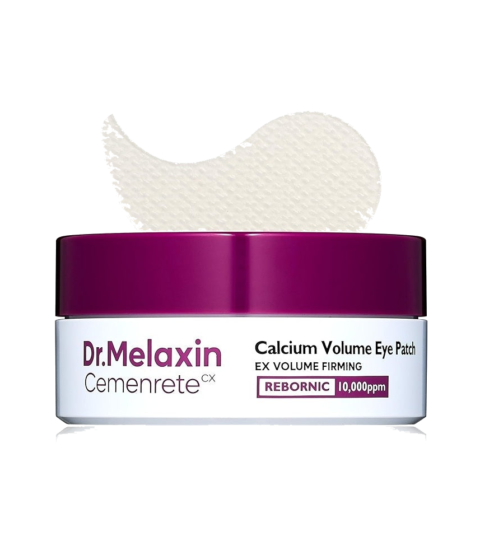
Verified retailer link
Dr. Melaxin
Dr. Melaxin Cemenrete Calcium Volume Eye Patch – 60 patches
Dr. Melaxin Cemenrete Calcium Volume Eye Patch is a jar of 60 hydrogel patches…
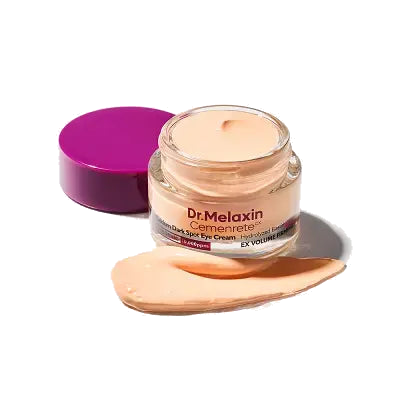
Verified retailer link
Dr. Melaxin
Dr. Melaxin Cemenrete Eye Cream
Dr. Melaxin's Cemenrete calcium eye cream combines calcium, niacinamide, adenosine, collagen and elastin in…
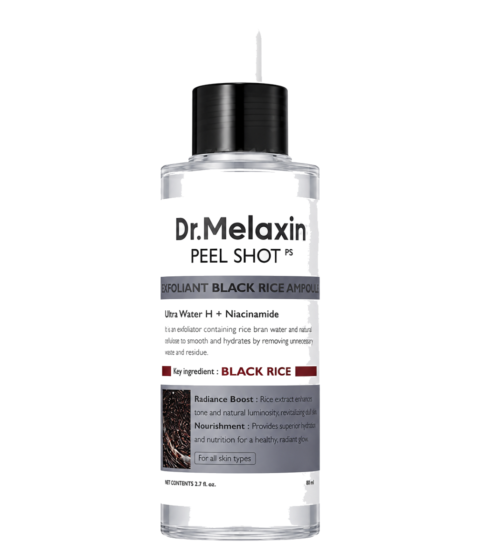
Verified retailer link
Dr. Melaxin
Dr. Melaxin Peel Shot Black Rice Peeling Ampoule
Dr. Melaxin Peel Shot Black Rice is an 80 ml gommage-style peeling gel with…
Oily Skin · Visible Pores
Verified retailer link
Dr. Melaxin
Dr. Melaxin Peel Shot White Rice Peeling Ampoule
Dr. Melaxin Peel Shot White Rice is an 80 ml gommage-style peeling gel with…
Dull Skin · Hydration