K-Beauty Guides
Korean Pimple Patches Explained: Hydrocolloid vs Micro-Dart
Korean pimple patches come in three main types: plain hydrocolloid patches for spots that have come to a head, micro-dart (microneedle) patches for early bumps that have not surfaced yet, and medicated patches that add ingredients such as salicylic acid. Picking the right one for the stage of your breakout matters far more than the brand name on the box.
This guide is written for shoppers in the USA and Canada who see dozens of patch sheets on Amazon.com, Amazon.ca and at drugstores and want to know what actually differs between them. We cover how each type works, how long to leave a patch on, when a patch is the wrong tool, and the myths that keep circulating on social media.
Quick answer: Use a plain hydrocolloid patch on a whitehead or a spot that has drained, a micro-dart patch on a sore bump that has not come to a head, and a medicated patch when you want a little extra help on oily, congested skin. Wear most patches for 6 to 8 hours or overnight, and see a dermatologist for deep, painful or scarring acne instead of relying on patches.
What a pimple patch actually does
A pimple patch is a small adhesive dot that sits over a single blemish. Every type shares two basic jobs: it acts as a physical shield so you stop touching, picking or rubbing the spot, and it creates a closed, slightly moist environment over the skin. Beyond that, the three families work in quite different ways, which is why one sheet can seem miraculous on one spot and do nothing on the next.
Korean brands popularised patches in North America because they made them thin, nearly invisible and sold them in large mixed-size sheets. Today you will also find American and Canadian drugstore brands built on the same technology, so the category is no longer exclusively Korean, but the K-beauty versions still tend to lead on thinness and edge finish.
The three types side by side
| Type | How it works | Best stage | Typical wear time | Watch out for |
|---|---|---|---|---|
| Hydrocolloid | A gel-forming dressing that absorbs fluid and keeps the spot covered | Whiteheads, spots with a visible head, spots that have already drained | 6–8 hours or overnight; replace when the patch turns white and puffy | Does little for deep, closed bumps |
| Micro-dart / microneedle | Tiny dissolving tips on the underside deliver ingredients into the top layer of the bump | Early, tender bumps under the surface | Usually overnight or as the label directs | Not for open, picked or crusted spots; can sting |
| Medicated | Hydrocolloid or film base with actives such as salicylic acid, niacinamide or tea tree | Oily, congested or recurring spots | As the label directs, often several hours | More chance of dryness or irritation on sensitive skin |
Hydrocolloid patches: the classic choice
Hydrocolloid is the same family of material used in blister plasters and some wound dressings. When it touches moisture, it swells into a soft gel. On a whitehead or a spot that has opened, that means the patch soaks up fluid and you can often see it turn cloudy white when you peel it off. It also keeps bacteria from your fingers and pillowcase off the area.
When hydrocolloid works best
- A spot with a visible white or yellow head.
- A spot that has drained on its own or after you could not resist touching it, to keep it clean and covered.
- Under makeup, if you choose an ultra-thin version with feathered edges.
When it disappoints
Hydrocolloid cannot pull anything out of a blemish that has no opening. On a hard, deep bump, it mainly acts as a cover and a reminder not to touch. That is not useless, but do not expect a dramatic change overnight.
Micro-dart (microneedle) patches for early bumps
Micro-dart patches have a cluster of very short, dissolvable points on the underside, often made from hyaluronic acid. When pressed on, the points sit in the very top layer of skin and dissolve, carrying their ingredients with them. Common pairings include salicylic acid, niacinamide, tea tree, centella or other calming extracts, depending on the brand.
How to use them well
- Apply at the very first sign of a tender bump, before a head forms.
- Press firmly with a clean finger for several seconds so the points make contact.
- Leave on overnight unless the label says otherwise, then peel off and continue your routine.
Micro-dart patches are not injections and the points are not meant to reach deep into the skin. Still, they should never go on broken, picked or scabbed skin, and you should stop if a patch causes persistent stinging, swelling or redness.
Medicated patches and what the labels mean
Medicated patches add active ingredients to a hydrocolloid or thin-film base. Salicylic acid is the most common because it is oil-soluble and works inside the pore. Others combine niacinamide, zinc, tea tree oil or cica extracts with the aim of calming the look of redness.
In the USA, acne products that make drug claims and contain actives such as salicylic acid fall under FDA rules for over-the-counter acne drugs. In Canada, similar products are regulated by Health Canada as non-prescription drugs or natural health products, which is why a Canadian box may show a DIN or NPN. Korean patches sold through marketplaces do not always carry North American drug labelling, so read the ingredient list yourself, especially if you have known sensitivities. The same applies to UK and Australian shoppers buying imported sheets online.
Who should be cautious with medicated patches
- People who are already using prescription retinoids, benzoyl peroxide or acid toners on the same area.
- Anyone with a known allergy to salicylates, tea tree oil or adhesives.
- Pregnant or breastfeeding readers, who should ask a pharmacist or doctor before using salicylic acid products.
How long to wear a pimple patch
For most hydrocolloid patches, 6 to 8 hours is a practical target, which is why overnight wear is so popular. If the patch turns white, puffy and loose before then, it has absorbed what it can, so replace it with a fresh one. For micro-dart and medicated patches, follow the box: many are designed for overnight wear and a single use.
| Situation | What to do |
|---|---|
| Patch turned white and puffy | Remove gently, cleanse, apply a fresh patch if the spot is still weeping |
| Patch still clear after a night | The spot probably has no opening; switch to a micro-dart or simply let it settle |
| Patch keeps lifting | Skin was not fully dry or had product on it; reapply on bare, dry skin |
| Redness around the patch edge | Possible adhesive irritation; stop using that brand |
Step-by-step: getting a patch to stick
- Wash your hands, then cleanse the area with a gentle cleanser.
- Pat completely dry. Even a thin layer of toner, serum or moisturizer can stop the adhesive from gripping.
- Pick a size that covers the spot with a small margin of clear skin around it.
- Peel the patch by its edge without touching the centre, and press it on from the middle outward.
- Apply the rest of your routine around the patch, not over it. Keep sunscreen and makeup to the edges if you wear it during the day.
- Remove slowly, holding the skin taut, ideally after a warm shower when the adhesive is softer.
If you are building your first routine, our Korean skincare routine for beginners shows where spot care fits between cleansing and moisturizing.
When not to use a pimple patch
Patches are a spot tool, not an acne treatment plan. Skip them, or check with a professional, in these cases:
- Deep, painful nodules or cysts. These sit too deep for any patch and can scar. A dermatologist or family doctor can offer options that patches cannot.
- Widespread or sudden breakouts. Many spots at once, or acne that appears suddenly in adulthood, deserve a medical look.
- Cold sores, rashes or anything you are not sure is a pimple. Ask a pharmacist before covering it.
- Skin that is very fragile, for example during prescription isotretinoin treatment, unless your prescriber agrees. Removing adhesive can tear thin skin.
- Open wounds that are large, infected or spreading. Redness that grows, warmth, or fever needs prompt medical care.
If your skin is easily irritated, our guide to Korean skincare for sensitive skin covers gentle routines that pair well with occasional patch use.
Myths about pimple patches
Myth: patches suck out the pimple
Hydrocolloid absorbs fluid that is already at the surface. It does not create a vacuum or pull material from deep inside a closed bump. The white gunk you see on the patch is mostly absorbed fluid mixed with gel.
Myth: more patches mean faster clearing
Stacking patches or swapping them every hour does not speed anything up and may irritate the skin from repeated adhesive removal. One patch, worn for its intended time, is enough.
Myth: patches prevent future breakouts
A patch only affects the spot underneath it. Preventing new breakouts depends on your overall routine: gentle cleansing, non-comedogenic moisturizer, sunscreen and, where appropriate, ingredients such as salicylic acid, azelaic acid or niacinamide. See our guide to Korean skincare for blemish-prone skin for a full routine, and Korean skincare for oily skin and large pores if shine and congestion are your main issues.
Myth: patches fade dark marks
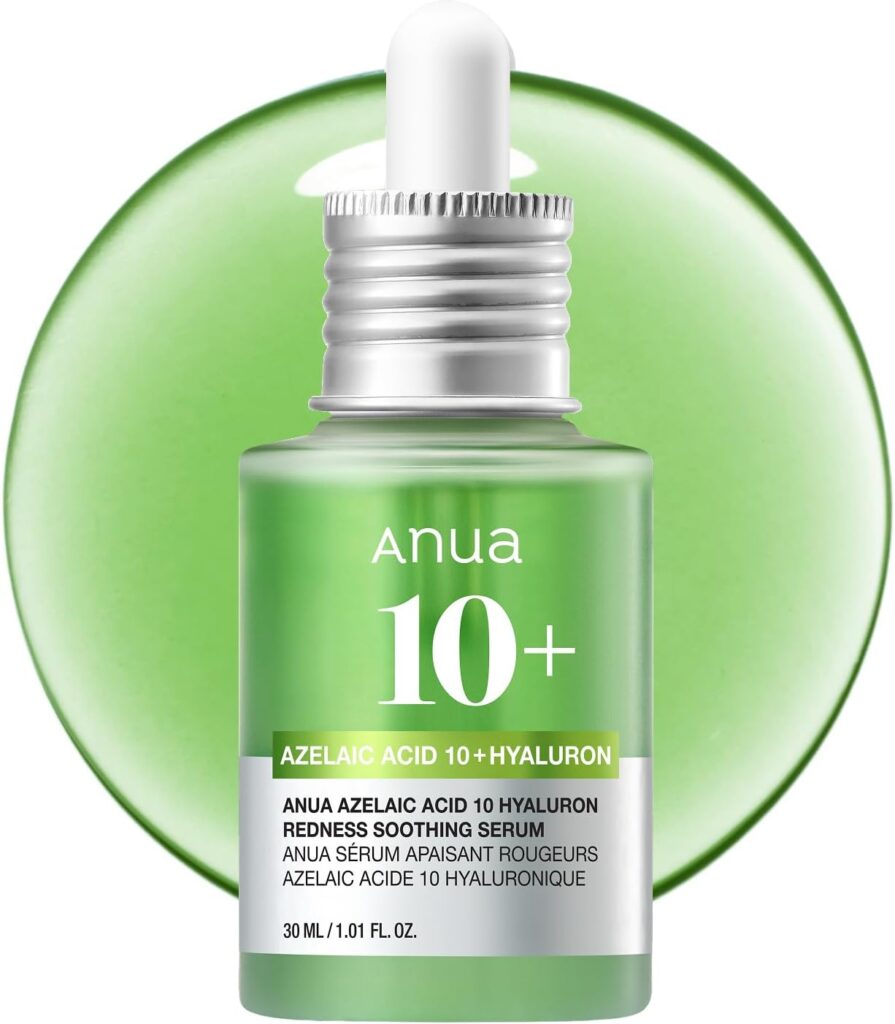
Some patches advertise brightening ingredients, but a mark left after a spot heals is a pigmentation issue that usually takes weeks of daily care and sun protection. Serums such as the Anua Azelaic Acid 10 Hyaluron Redness Soothing Serum and the options in our best Korean serums for dark spots roundup, plus a daily SPF from our Korean sunscreen guide, are better suited to that job.
Choosing a sheet: what to compare
- Thickness and edges: ultra-thin patches with tapered edges disappear better under makeup; thicker ones absorb more and suit overnight wear.
- Size mix: sheets with several diameters let you match small and large spots without wasting patches.
- Ingredients: plain hydrocolloid is the safest for sensitive skin; add actives only if your skin tolerates them.
- Fragrance and essential oils: avoid them if your skin reacts easily.
- Seller: buy from the brand’s store or an authorised retailer. Our guide to buying Korean skincare in the USA explains which channels are reliable.
Frequently asked questions
Can I put a pimple patch over a popped pimple?
Yes, a plain hydrocolloid patch is a sensible choice for a spot that has drained, as it keeps the area clean and covered. Do not use a micro-dart patch on broken skin.
Should I use a patch in the morning or at night?
Either works. Night is easier because you can leave a thicker patch on for 6 to 8 hours. In the daytime, choose an ultra-thin patch and apply sunscreen around it.
Can I apply moisturizer or serum before the patch?
Apply the patch first on clean, dry skin, then use your other products around it. Product underneath stops the adhesive from sticking.
Are pimple patches safe for teenagers?
Plain hydrocolloid patches are generally well tolerated by teens. For medicated or micro-dart patches, check the age guidance on the label and ask a pharmacist if unsure.
Why does the skin look white and wrinkled after removing a patch?
That is usually temporary softening from the moist environment under the patch. It should settle within an hour. If it stays red or itchy, you may be reacting to the adhesive.
Can men use pimple patches on beard areas?
Yes, but stubble reduces grip. Shave the area gently first, or use a slightly larger patch and press firmly.
Pimple patches are one of the simplest tools in K-beauty when you match the type to the spot: hydrocolloid for surfaced or drained blemishes, micro-dart for early bumps, and medicated sheets when your skin can handle a little extra. Keep them as a supporting player in a gentle daily routine, and turn to a dermatologist when breakouts are deep, frequent or leaving scars.
melaxin.ca is an independent guide. We may earn a commission from qualifying purchases. This article is for information only and is not medical advice.